Share




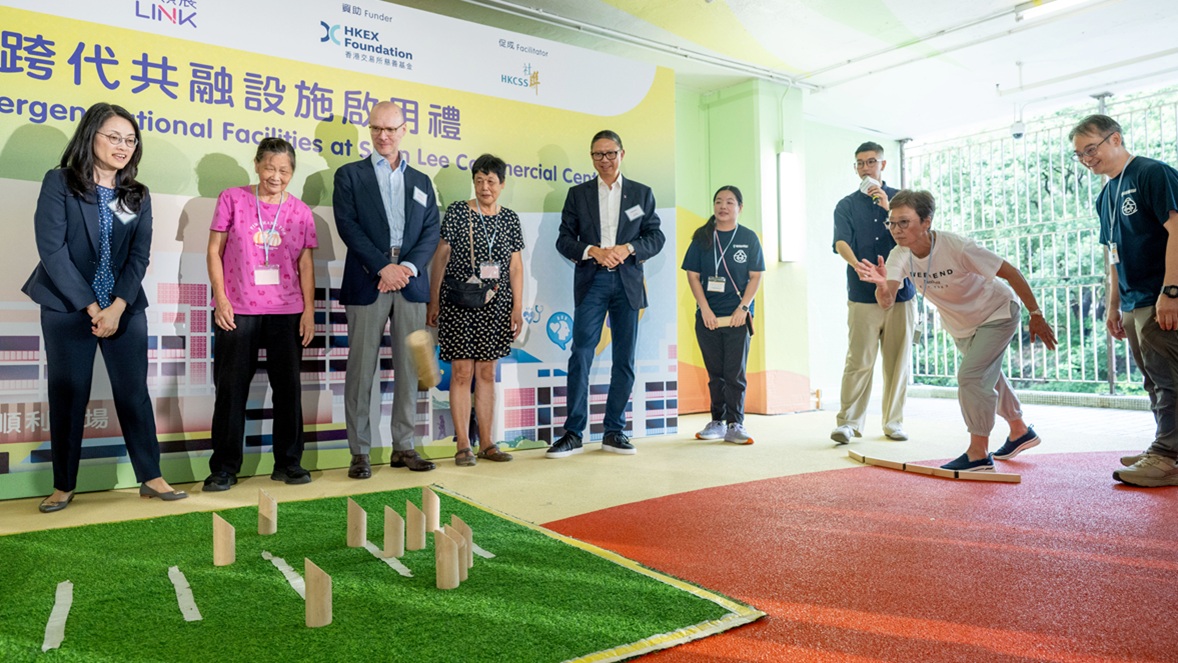
Every morning, familiar faces gather at Shun Lee Commercial Centre. Some stop by the market for fresh ingredients before heading home to prepare lunch; others make their way to nearby clinics for routine check-ups. Along the podium, neighbours exchange greetings with shopkeepers they have known for years, whilst elderly residents pause for a chat before continuing with their day.
For many residents of Shun Lee Estate, Shun Lee Commercial Centre is more than a place to shop. It is where much of everyday life takes place.
That is why Link chose to establish the All-age Information Hub and Wellness Station at the mall.
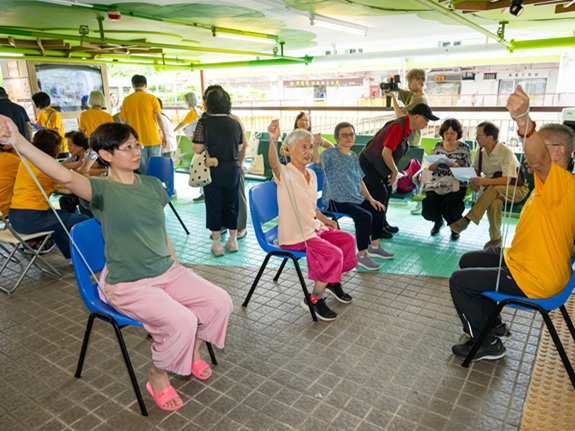
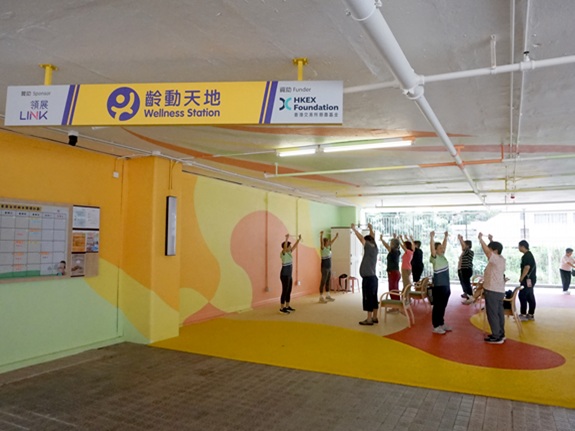
The Wellness Station offers a range of senior-friendly fitness activities, including Finnish skittles, stretching exercises and Wing Chun classes, attracting many elderly residents from the neighbourhood. Alongside it, the All-age Information Hub provides information on intergenerational integration and family caregiving through digital displays and information boards, whilst regularly organising health talks, free health checks and community activities. Together, the two facilities bring community resources closer to residents while creating more opportunities for neighbours to connect through everyday interactions.
Planned and refurbished by Link, funded by the HKEX Foundation, and operated by Christian Family Service Centre and Hong Kong Christian Service, the facilities bring community resources closer to seniors and caregivers, while creating opportunities for neighbours to connect through everyday interactions.
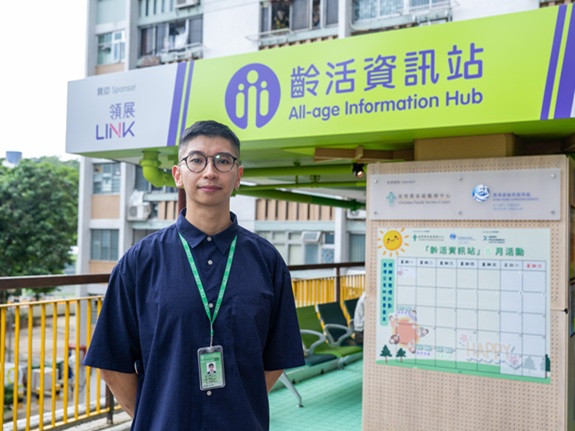
For Ko Cheung-hei (Hei), Service Manager at Christian Family Service Centre, the biggest shift is that community services are no longer waiting for residents to seek help. Instead, they are becoming part of their everyday lives.
He has observed that many seniors and caregivers may face challenges without actively seeking support. “Some worry about the stigma attached and prefer to deal with problems on their own. Compared with visiting a service centre, a shopping mall is a more familiar and less intimidating environment. Residents can walk past, observe what is happening, join an activity out of curiosity, and gradually build trust in the services available.”
When support is present in a place residents already visit every day, taking the first step can feel much easier.
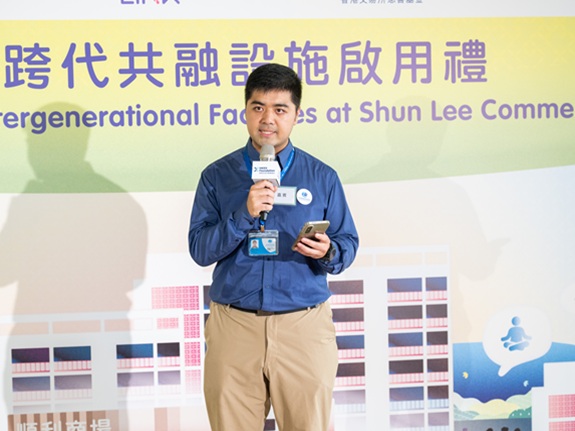
For Yung Wai Shing (Wilson), Centre-in-Charge of Hong Kong Christian Service Shun Lee Neighbourhood Elderly Centre, Shun Lee Commercial Centre is more than a retail destination. “People come here every day to buy groceries, have a meal or attend a medical appointment. But just as importantly, they come here to see familiar faces.”
To him, the mall is a place where community connections happen naturally. Because it is already part of residents’ daily routines, people are more likely to stop, take a closer look and engage with available services than they would through traditional outreach efforts.
As artificial intelligence (AI) continues to reshape the way people access information, answers to many everyday questions are now only a few taps away. From health advice to community services, information has never been more readily available.
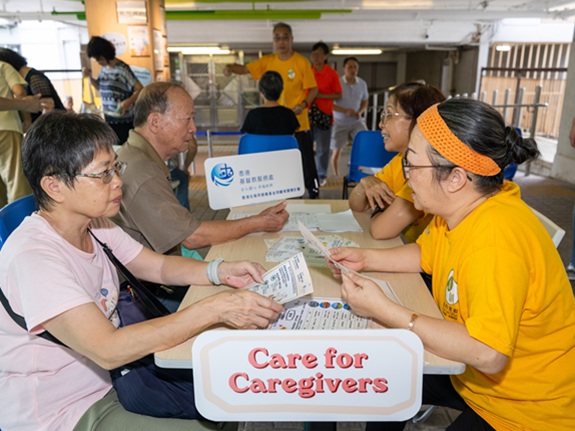
Yet for Hei, information alone is not always enough. Shun Lee Estate is home to a sizeable elderly population, including many older couples who support one another in their daily lives. Some residents may also be less familiar with smartphones and digital technology. For them, face-to-face support remains important. “In this situation, a physical information hub remains irreplaceable because it is more than a source of information. It is a place where residents can connect with people, ask questions and receive immediate assistance.”
A brief pause, a casual conversation or a simple question may be all it takes for someone to discover the support they need.
For Wilson, the value of a physical community space extends far beyond providing information.
During the pandemic, many community services moved online. Even after restrictions were lifted, some organisations continued to offer virtual talks and activities. Yet participation never quite met expectations. To him, the reason is simple: people are often looking for more than information. “Whether they are seniors, caregivers or other adults, many people join activities not only to learn or access resources, but also to see friends, interact with others and build human connections.”
Through free health checks and exercise classes, seniors and caregivers have opportunities to meet others, exchange experiences and encourage one another. These simple interactions are often what people value most.
As information becomes increasingly accessible through technology, genuine human connection is becoming ever more precious. In many ways, it is these moments of interaction, companionship and mutual support that remain the hardest to replace.
Looking ahead, both organisations hope the collaboration will grow beyond these two service points.
Hei hopes to build a stronger community support network by bringing together local businesses, restaurants and nearby social service organisations. When different members of the community are willing to play a part, anyone who notices a senior or caregiver in need during their daily lives can become part of the support network.
Wilson, meanwhile, hopes to engage more young people through partnerships with schools, youth centres and tertiary institutions. By encouraging greater participation across generations, he believes the community can become more connected and inclusive, while promoting intergenerational integration.