Share




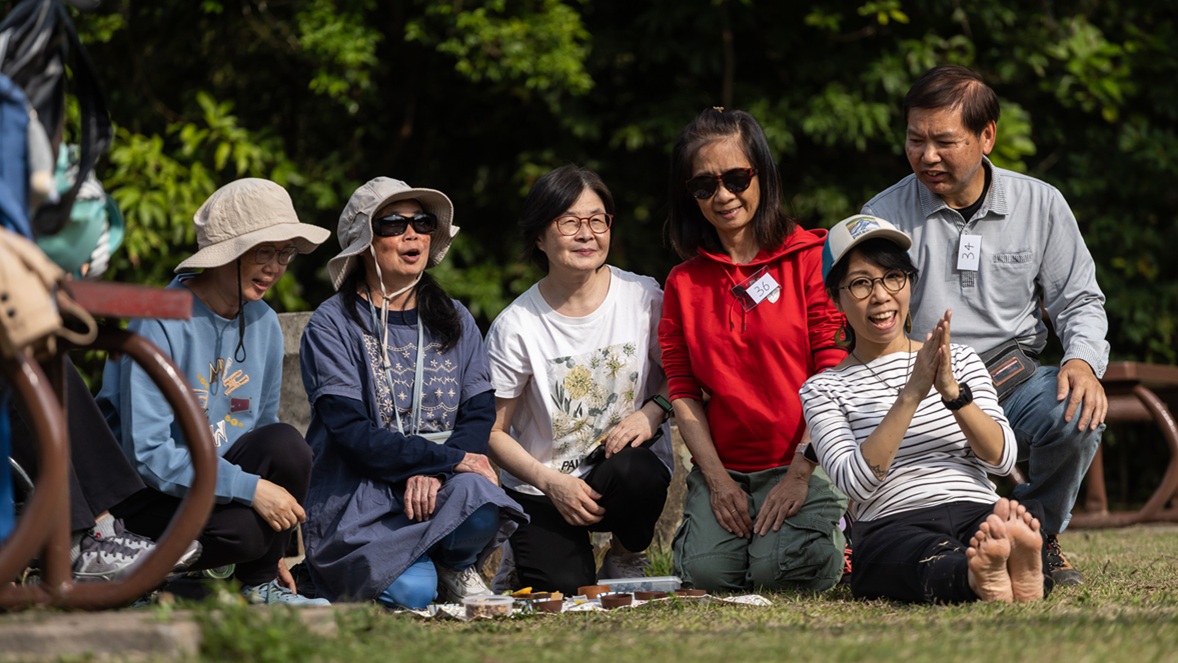
For many seniors in Hong Kong, hiking is a favourite way to stay active and enjoy nature. Yet a day on the trails often means travelling across the city and navigating crowds at popular destinations. What many people do not realise is that some of the most rewarding walks may be just a few minutes from home.
Supported by Link Together Initiatives and organised by Parks and Trails, the ‘Backyard Trails – Link with Wellness & Vitality in Nature Initiative’ invites seniors and caregivers to rediscover the "backyard trails" in their own communities. By combining ecological education, digital tools and artificial intelligence (AI), the initiative encourages participants not only to explore nearby trails, but also to document their discoveries and become advocates for the natural treasures hidden close to home.

The concept of "backyard trails" originated from a study conducted by WYNG Foundation and Parks and Trails in 2023. Its definition is remarkably simple: a hiking trail that can be reached within a 15-minute walk from home.
Why 15 minutes? Kwong Sum Yin, Chief Executive Officer of Parks and Trails, recalled how some of Hong Kong's most popular country parks can become crowded on weekends. "Sometimes hiking feels like walking through Mong Kok," she said.
Backyard trails offer another way to connect with nature. Most of these trails sit on the edge of urban neighbourhoods. Within minutes of leaving home, residents can trade busy streets for birdsong, greenery and open skies. It is this striking contrast between city life and nature that makes backyard trails so appealing. "For some seniors, a backyard trail feels like an extension of their home. Nature is only a short walk away, making it much more accessible."
The initiative has selected Sha Tin, Yau Tong and Tung Chung as pilot communities, with each trail reflecting the unique character of its surrounding neighbourhood. The route at Tao Fong Shan in Sha Tin showcases a blend of Eastern and Western religious heritage. The trail through On Lin Tsuen in Yau Tong preserves the charm of a traditional coastal village, while the Tung Chung Fort route connects historical landmarks with a rapidly developing community.
To Sum, trails are more than places for exercise. They are a gateway to understanding the community. "Many people spend their lives in the same neighbourhood without truly knowing the people and stories around them," she said. Through these trails close to home, she hopes residents can rediscover the natural environment, historical stories and cultural character that make their communities unique.

Another unique feature of the initiative is the way it connects nearby trails with Link's malls, which serve as community "third spaces". Before heading to the trails, participants can meet at the malls, pick up any necessities and prepare for their outing. Afterwards, they can return to relax over a meal and exchange discoveries from their journey.
"By making the experience so convenient, connecting with nature no longer feels like a special trip. Instead, it can gradually become part of everyday life," said Sum.
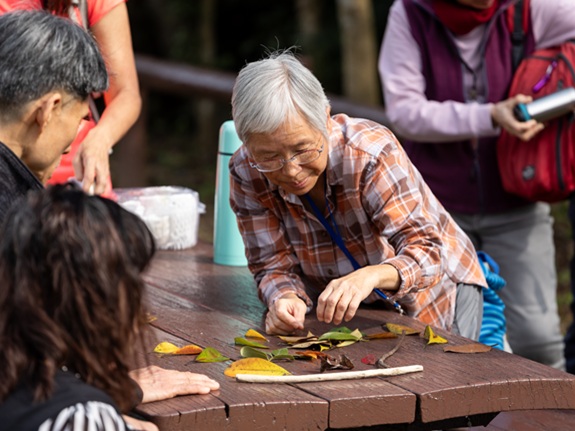
Many people believe technology distances us from nature. The ‘Backyard Trails – Link with Wellness & Vitality in Nature Initiative’ demonstrates how the two can complement each other. Here, technology is not intended to replace human interaction with nature but to become a new tool for exploring it.
Participants will learn to use the TrailWatch app to understand trail routes, navigate using GPS and locate nearby facilities, helping them feel more secure when spending time outdoors. They will also use the iNaturalist app to identify plants and learn more about the ecology of their communities.
One of the most exciting elements of the programme is its use of new technology. Participants will be encouraged to document what they see along the trail using their smartphones and then use AI tools to create short videos that capture memories from their journeys. "Many seniors are already comfortable using smartphones," said Sum. "I believe that once they are shown how to use these tools, they will quickly become familiar with them."
In her view, when seniors learn to observe, record and interpret nature through technology, the natural environment becomes more than a backdrop for a walk. It becomes a space for ongoing discovery and lifelong learning.
More than hiking or technology, the initiative is ultimately about personal growth and transformation.
To support this goal, the initiative brings together three partner organisations, each contributing its own expertise. Little Woods Nature Education is responsible for ecological learning; Jane Goodall Institute Hong Kong leads the technology and digital learning components; and Hong Kong Forest Bathing focuses on sensory experiences and well-being, encouraging participants to slow down and engage with nature through all five senses.
Having lived in their communities for many years, the seniors possess a wealth of life experience and local memories. During the initiative's concluding "Human Library" session, Sum and her team will guide participants in organising their reflections and personal stories. They will then share their own "backyard trail stories" directly with the public through a community exhibition. "We hope they become storytellers, promoters and advocates for these trails," said Sum.
She believes that as participants develop a deeper understanding of the environment around them, their awareness of conservation will naturally grow. Her hope is that, after completing the initiative, participants will inspire friends and family to discover the natural resources that exist right on their doorstep.
For participating seniors, this is more than a hiking initiative. It is a journey of rediscovering the communities they call home. And when they begin sharing those discoveries with friends, family and neighbours, the story of the backyard trails can truly begin to spread.