Share




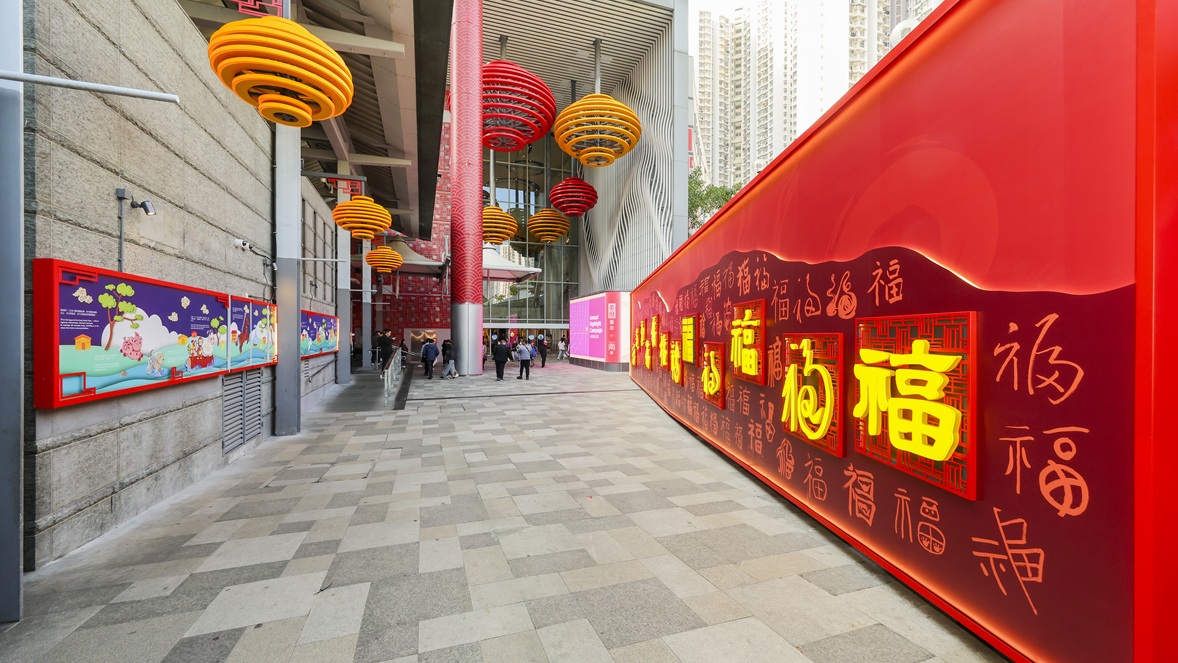
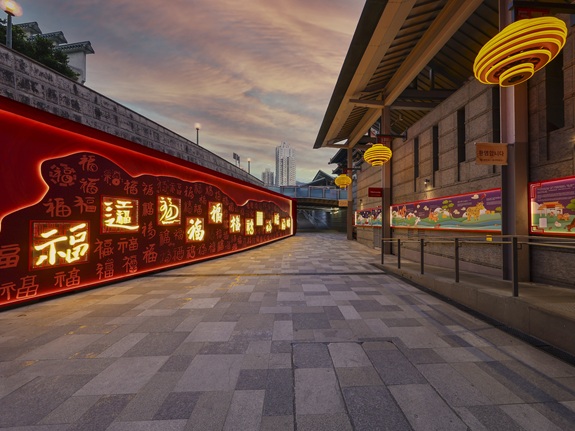
In Wong Tai Sin, a district imprinted with Hong Kong’s cultural memory, a new urban landmark has taken shape outside Link’s Temple Mall North. Spanning 4,000 square feet, Fortune Lane connects the mall with the B3 Exit of the Wong Tai Sin MTR Station and Wong Tai Sin Temple. Through art, calligraphy and community spirit, it has transformed an everyday pedestrian thoroughfare into a pocket of the city warm with culture.
At the centre of Fortune Lane stands the 18-metre-wide, 3.8-metre-tall Fortune Wall, featuring 108 distinctive calligraphic renditions of the Chinese character for “fortune”. Together, they form a striking visual presence embodying the wishes of a community. In traditional Chinese culture, the number 108 signifies completeness and auspiciousness, making the Fortune Wall a symbol of collective goodwill for the entire city.
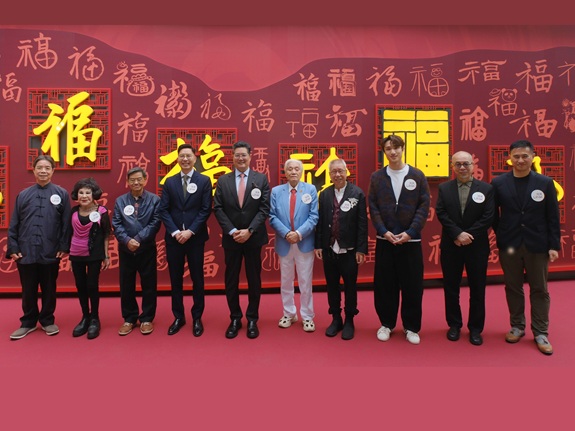
What makes the Fortune Wall truly captivating lies not in its scale, but in the collective act of its creation. The 108 contributors come from all walks of life: athletes, artists, calligraphers, lyricists, designers, community leaders, religious representatives, students and Link’s partners. The project was conceived and led by Link’s internal team in close collaboration with the project’s curator, imbuing the work with both artistic depth and community resonance.
“We hope to create a distinctive new landmark through art, calligraphy, history and heritage – one that brings positive energy and blessings to the Wong Tai Sin district and Hong Kong as a whole,” says Katherine Lo, Link’s Director – Asset Management (HK). “At the same time, we aim to provide a cross-sector, cross-generational platform for co-creation that unites the community.”
Heiman Ng, curator and art consultant for the project, sees co-creation as the heart of the endeavour: “In Hong Kong, commerce and creativity thrive side by side. To create a work of public art in a space connecting Wong Tai Sin Temple and a shopping mall, channelling the wishes of 108 contributors through the act of writing, is itself the most fitting expression of the Hong Kong spirit.” He also speaks warmly of Link’s approach: “Link deeply understands the importance of community connection. For this reason, every Link project is carried out with close community engagement.”
The silhouette of Lion Rock forms the overarching visual motif of the Fortune Wall – a tribute to the resilience of the people of Hong Kong and an echo of Wong Tai Sin’s geographic setting. On the design philosophy, Katherine notes that the team drew closely on Temple Mall’s “cultural heritage” positioning: “By weaving the auspicious character for ‘fortune’ together with the contours of Lion Rock, we sought to express not just a cultural symbol, but the enduring spirit of Hong Kong.”
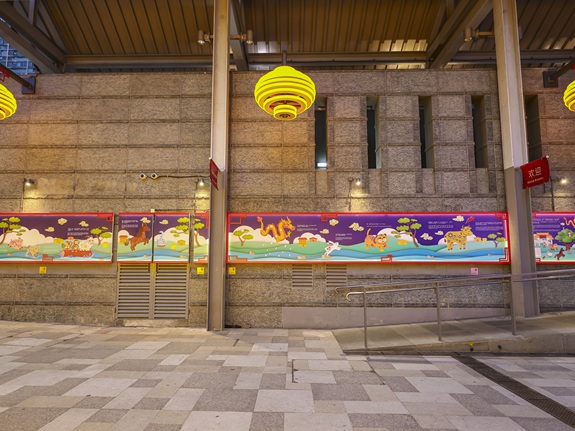
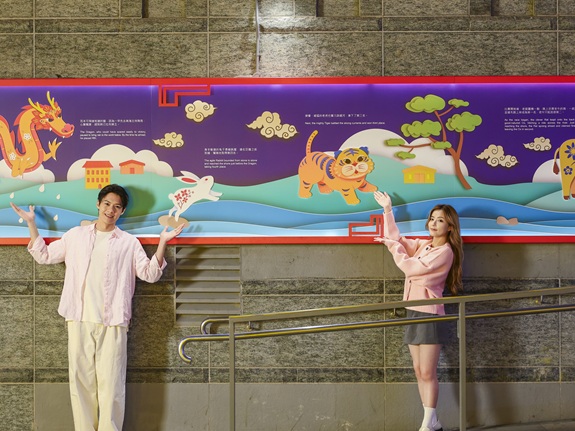
Adjacent to the Fortune Wall, visitors will discover the Twelve Zodiac Wall, a family-friendly art installation that retells the ancient origin story of the Chinese zodiac through contemporary illustration. An interactive element invites visitors to take home origami templates of each zodiac animal, extending the experience from a public space into their daily lives.
Community has always come first in Link’s approach to placemaking. As Katherine puts it: “Using the art of traditional calligraphy as a medium, The Fortune Wall gives new life to the district’s culture of blessing-seeking.”
The Fortune Wall was completed by 108 contributors from diverse backgrounds and generations, including twelve prominent figures from public and cultural spheres. Each brought their unique experience and convictions to their rendition of the character. For some, “fortune” signifies peace; for others, the cultivation of virtue and an open heart; for others still, the belief that goodwill flows outward – that giving is more powerful than receiving. Through the Fortune Wall, personal wishes have been transformed into a collective blessing for the entire city.
By connecting visitors, residents, tourists, worshippers and tenants, this new landmark weaves a web of interaction for the community, fostering a deeper, warmer common language of culture between the mall and its neighbourhood.