Share




AI is rapidly reshaping how we live, making human centric skills more vital than ever.
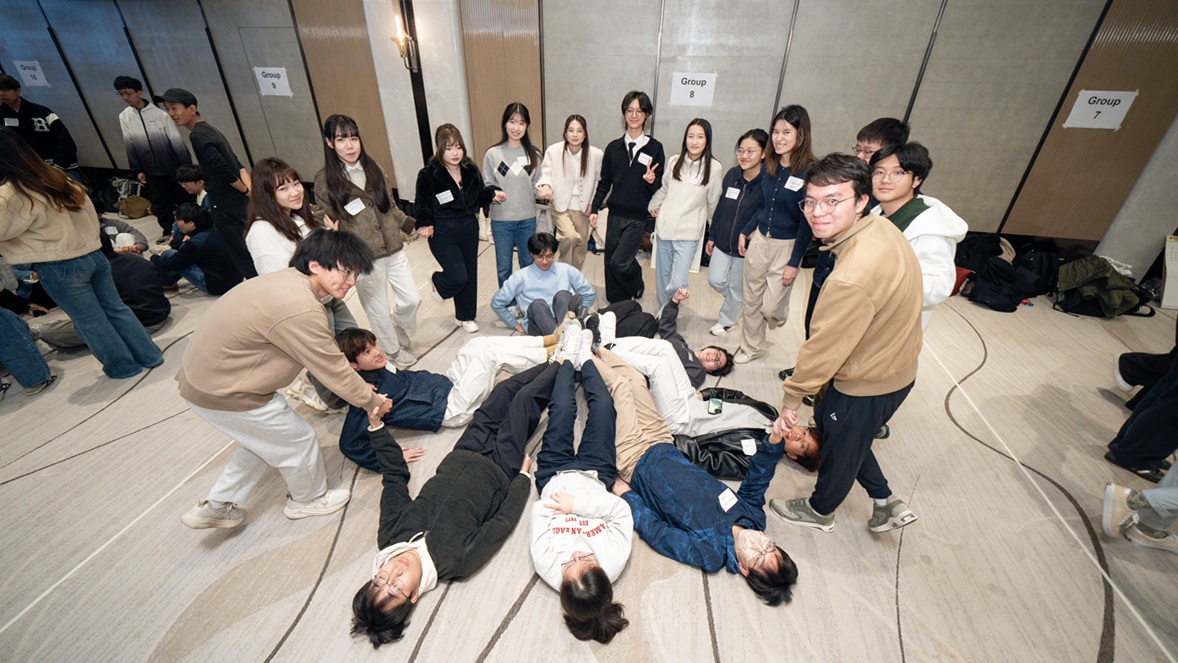
In late January, Link held its annual Link University Scholarship Presentation Ceremony, awarding grants to 220 outstanding students from 12 Hong Kong universities in recognition of their academic excellence and contributions to the community. Before the ceremony, recipients joined a “Resonance – Connect & Create” workshop, where they explored the abilities they consider humanity’s true “secret weapons.”
While the workshop was not explicitly about AI, student discussions naturally turned to this hot topic. They shared how they use AI to support their studies and employ strategic questioning to spark creative inspiration. Yet when asked whether AI is all-powerful, these young people – all of whom view AI as a learning companion – unanimously agreed it falls far short of omnipotence. To them, many abilities remain uniquely human.
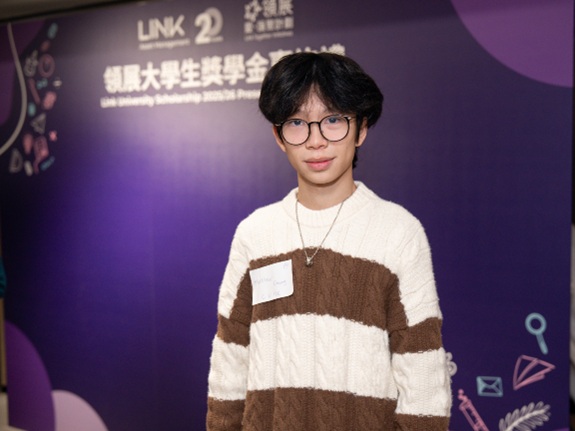
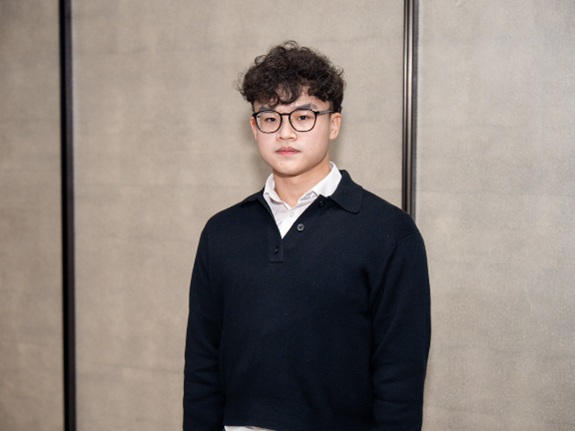
Matthew Cheung, an economics student at The Chinese University of Hong Kong, believes that mastering interpersonal communication and forming emotional connections still elude the capabilities of artificial intelligence. This view is shared by Lok Hui from Hong Kong Shue Yan University’s social work programme. Drawing on his experience internship at an elderly centre, Lok says his mentors taught him to approach people with a spirit of generosity – to listen, learn and proactively lend a hand. These human qualities are difficult for AI to duplicate.
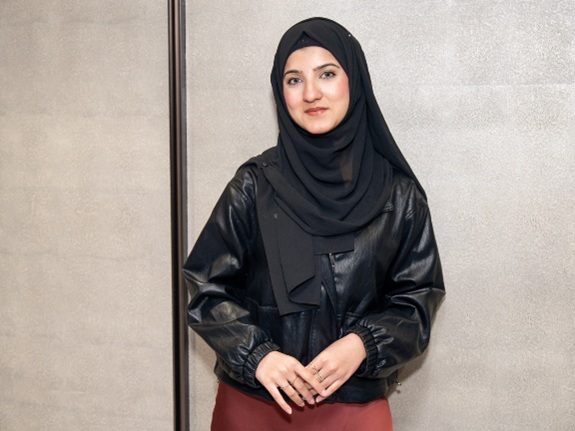
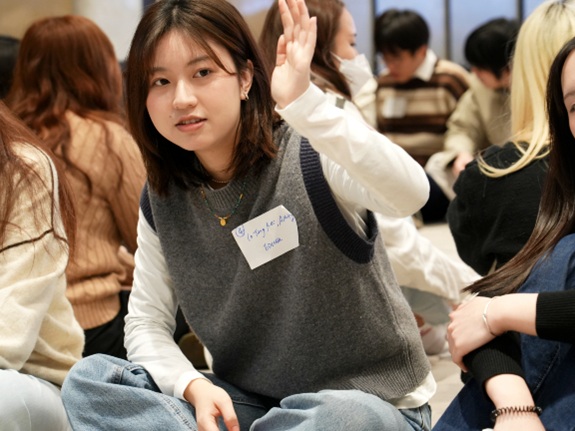
The University of Hong Kong biochemistry student Kanwal Anmol identifies critical thinking, cognitive skills and interpersonal relationships as enduring abilities in the AI age. Meanwhile, Ashley Lo, a psychology student from The Education University of Hong Kong, highlights empathy and human-centred problem-solving as indispensable qualities for future social work.
If these Link Scholars could select one superpower – a talent AI struggles to emulate – what would it be? Offering options such as mind reader, instant teleportation, time manipulation, swift adaptability and seeing the future, the workshop asked participants to form groups, discuss their choice and present it via interpretive body language.
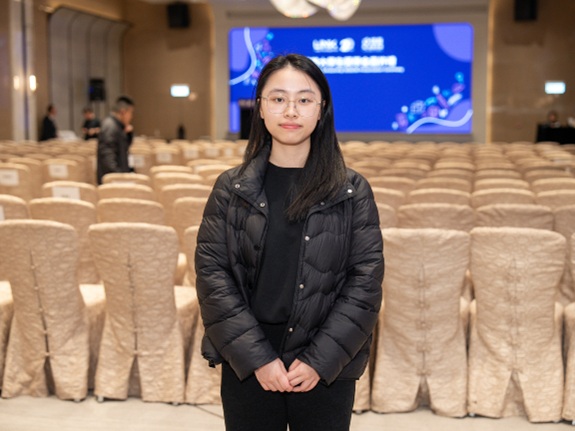
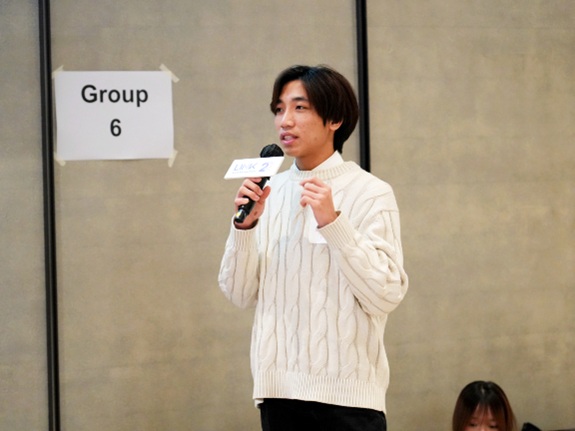
Saint Francis University physiotherapy student Soupball Tang chose mind reading, explaining that when someone experiences emotional distress, outsiders often struggle to grasp the underlying reasons: “If I could read minds, I’d be able to understand what people are actually thinking and offer appropriate help.” Lok, who aspires to work in social services, feels the same: “If I were able to read minds, I could get closer to people who need help.”
Other students yearned for the power of time manipulation. Electronic engineering major Ryan Leung at the Hong Kong University of Science and Technology says the power to control time would allow him to develop breakthrough technologies and improve human life. Psychology major Ashley reflects: “If we could master time, everyone could slow down a little, relax their minds and bodies, and ultimately live healthier lives.”
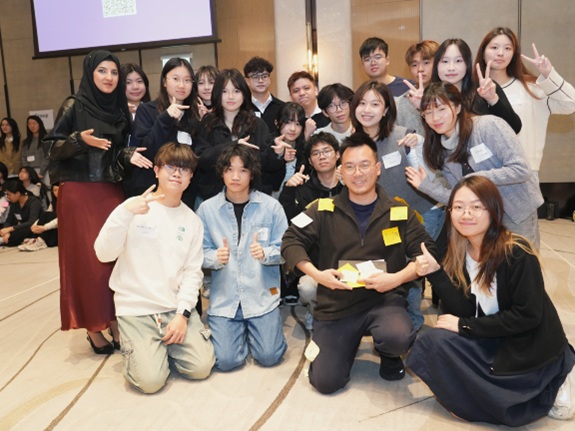
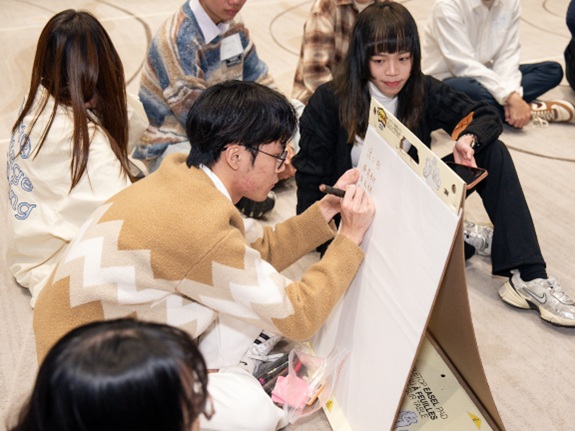
Beyond offering a chance for dialogue, the workshop set students on a shared journey of growth. Some participants, like Anmol, were reserved at first. But because of the friendly encouragement of their peers, they became increasingly more willing to express themselves. Others, like Matthew and Lok, learnt to listen, empathise and collaborate along the way. In doing so, they discovered how mutual support empowers people to meaningfully contribute to more impactful outcomes.
In an era of relentlessly rapid AI development, these young adults have no worries about being replaced. They are confident that technology’s ultimate purpose will always be to serve creativity, foster connection and augment the warmth that defines humanity.
