Share




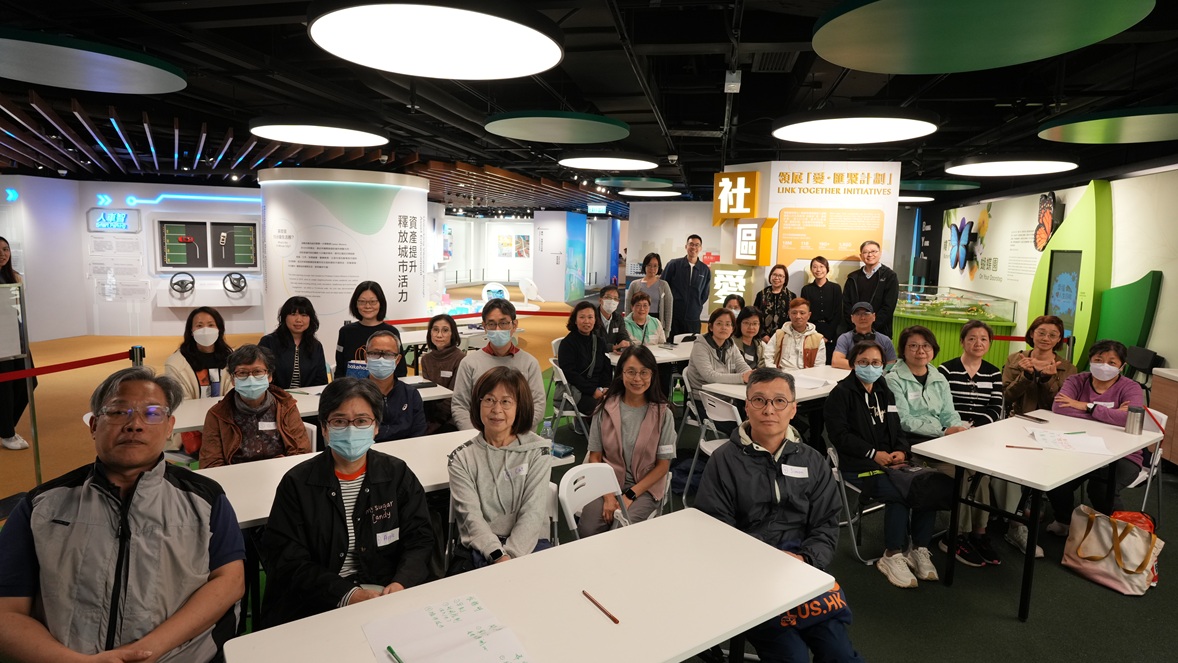
Hearing loss is a common part of ageing, yet it remains one of the most easily overlooked health challenges. Unlike other conditions, hearing problems often emerge gradually, making them less immediately visible in everyday life. Over time, they can silently reshape communication, social interaction, and quality of life. When “not hearing clearly” becomes routine, the effects accumulate, from small misunderstandings in conversation to a slow withdrawal from social life.
The “Listen & Connect: Hearing Health Programme for Elderly” was created precisely to address this often-unspoken need.
Supported by Link Together Initiatives, Link’s flagship charity and community engagement programme, and delivered by SLCO Community Resources in partnership with healthcare professionals and elderly organisations, the initiative offers practical support through hearing screenings, counselling, accessible communication strategies and sign language workshops. It also trains Silver-Age Hearing Health Ambassadors to provide peer support. The goal is to help seniors strengthen communication skills and deepen their connections with others.
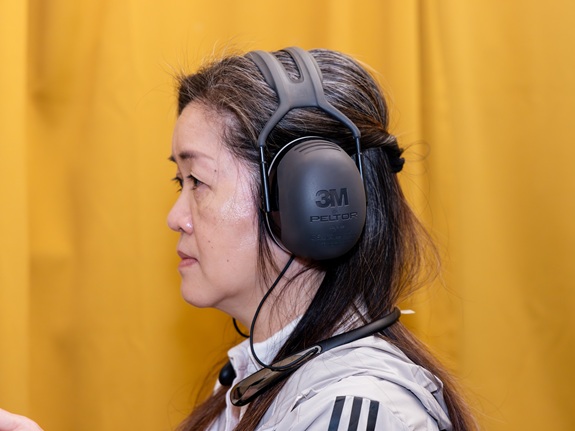
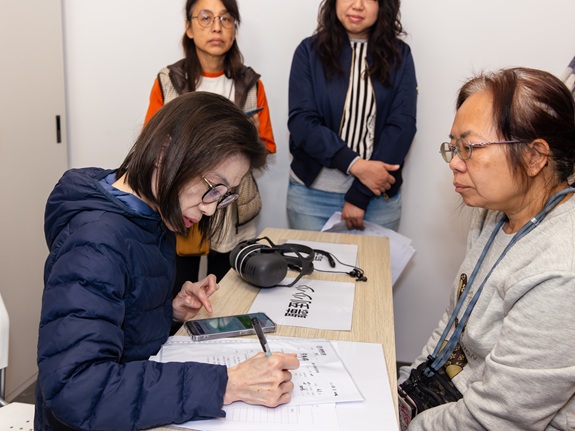
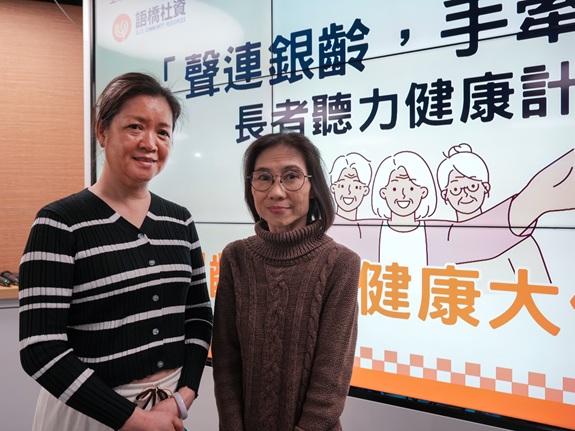
As the training phase came to an end, the programme marked the occasion with a closing ceremony at the Link Sustainability Lab. For ambassadors Pat Mak and Florence Wong, participation was more than learning new techniques. It was also a way of reframing their own lived experiences.
Pat’s daughter has relied on hearing support since childhood, and over the years, Pat has gained deep familiarity with the needs of the people with hearing impairment. “Since becoming an ambassador, I’m no longer limited to supporting hearing-impaired children,” Pat explains. “My scope now extends to older adults developing hearing loss, as well as their families. I want to help them understand that hearing loss is natural, that it can be met with a positive attitude and that meaningful communication is still possible.”
Florence joined from the perspective of a caregiver. After her mother developed hearing loss, she began searching for better ways to provide support. She also noticed how some older adults gradually reduce social interaction when hearing becomes difficult, leading to diminished participation in daily life. “I hope that by equipping myself first, I can help more people in need,” she says.
Through training, both ambassadors deepened their understanding of communication in distinct but complementary ways. For Pat, the programme highlighted how to convey information more clearly and compassionately. “I learnt how to explain situations to older adults with hearing difficulties in ways they can understand, and how to offer practical suggestions. I also learnt to guide family members in adjusting how they communicate. I realised this kind of support is itself a form of counselling that genuinely helps seniors.”
Basic sign language also became an important supplementary tool. “When hearing is unclear and lip-reading leads to misinterpretation, sign language with simple gestures often makes communication much more direct and effective,” Pat adds.
Florence, a language teacher, drew on her professional background to emphasise adaptability: “Regardless of the listener’s age or language background, what matters most is adjusting how you express yourself based on their abilities, including speaking speed, clarity and using simpler sentences when needed.”
When working with seniors who may have weaker cognitive abilities, she prioritises reassurance and emotional safety. “I choose vocabulary they feel familiar with, and I lead with encouragement. This gives them space to express themselves and know that someone is there for them.”

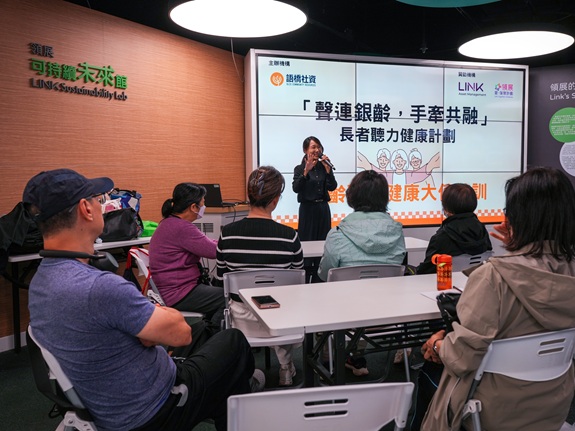
The programme’s decision to train retirees as ambassadors grew from a simple but meaningful question: “Why not have seniors serve seniors?”
Yuki Cheng, Project Manager at SLCO Community Resources, explains that retirees and the seniors they support often share similar life experiences. This shared understanding creates a “common language” that turns guidance into companionship rather than instruction.
She notes that silver-age ambassadors do more than provide frontline assistance. They also help embed hearing health knowledge within the community itself. As these ambassadors grow older, they may face hearing changes of their own. Learning early ensures they will not only receive information, but also become trusted sharers of lived experience and practical techniques for their peers.
With training complete, Silver-Age Hearing Health Ambassadors will now work alongside professional teams at community touchpoints to provide screenings and support. By helping seniors hear more clearly and communicate more confidently, they are strengthening bonds between families, communities and society as a whole.
