Share




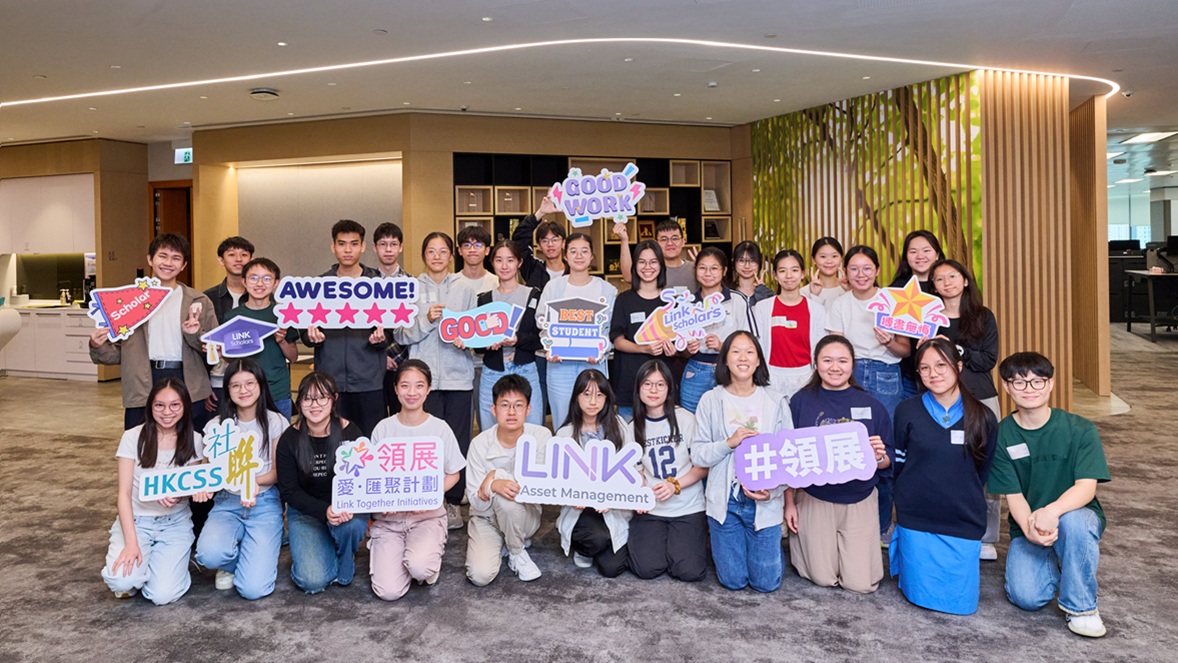
While scholarships often focus on rewarding past academic excellence, Link Secondary Student Scholarship aims to forge future leaders. Above all, it is a life lesson that extends well beyond the classroom. Link has designed two workshops to bring young people from different local secondary schools together, encouraging them to forge new friendships, engage with their communities and develop a genuine understanding of society’s diverse needs.
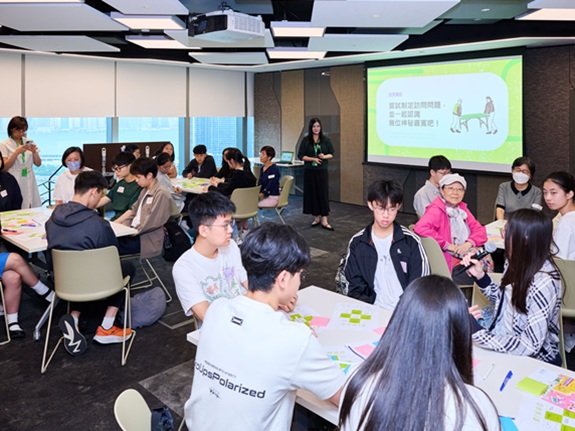
Thirty secondary school students who advanced past the scholarship’s first round of interviews participated in a design thinking workshop.
Crystal Chan from Very Hong Kong, a charitable organisation, guided participants in understanding the needs of community service users. She introduced them to conducting research, assessing needs and developing practical solutions. The students then applied these skills on site, creating service proposals for the “young-old” — people aged between 55 and 65. In July, they will each present their ideas at the scholarship’s Interview Day.
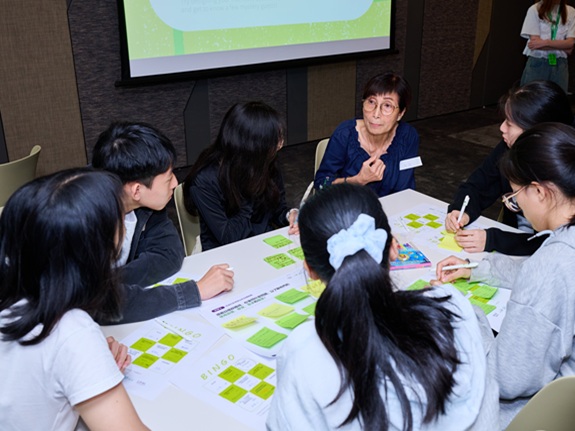
Prior to the workshop, many students were unfamiliar with the concept of “young-old”. Some assumed it referred to those in their 30s and 40s, or even their 70s; others thought it described a combination of younger and older people. To bridge the knowledge gap, six representatives from this age group joined the workshop, giving students an opportunity to learn about their lives and needs through direct, face-to-face interaction.
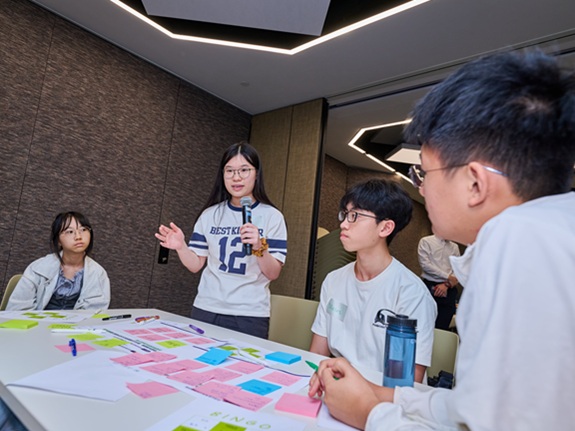
Kay Wong (Kay), a Form 4 student from Good Hope School, summarised the experience: “To help someone, you first need to understand who they are and what they need. Today I found out that there are still many ‘young-old’ people in the workforce, who are comfortable with the latest technologies and are very open to learning new things.”
Beyond skill building, this experience pushed students to step outside their social circles and connect with peers they have never met.
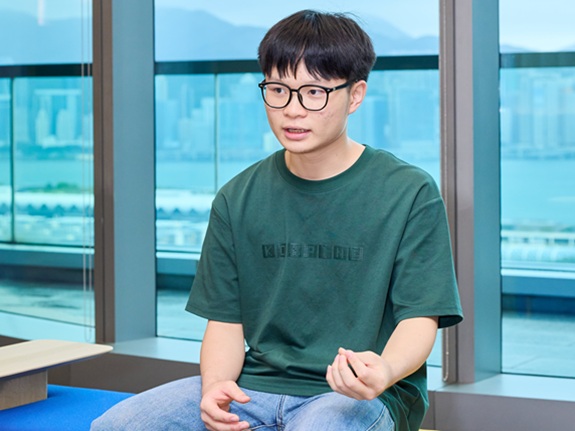
For Francol He, a Form 4 student from Yan Chai Hospital Wong Wha San Secondary School, the pressure was part of the value: “We had just two hours to collaborate and devise a solution, which forced us to think on our feet. The key was effective communication with teammates.”
After completing the workshop, students were tasked with observing a community served by Link. They analyse it through one of five themes: physical wellbeing, mental health, self-worth, social connection or environment, and propose ways to improve the lives of the “young-old” and foster more vibrant, active neighbourhoods.
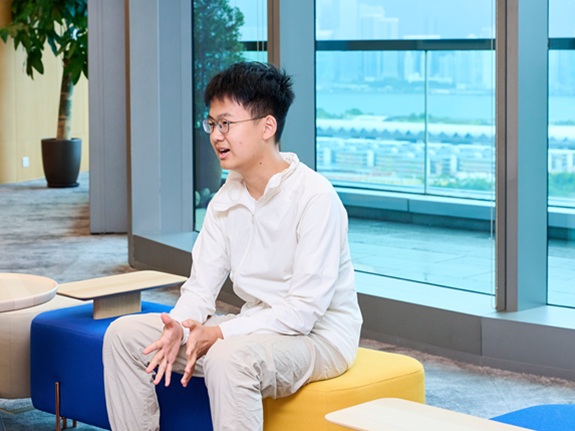
Alex Ma, a Form 4 student from Hoi Ping Chamber of Commerce Secondary School, drew the “social connection” theme. He sees community malls and fresh markets as natural places for human connection: “We all hope to find a place in our neighbourhood where we can connect. It doesn’t have to involve any conversation. Just being out and about, crossing paths with different faces, gives a sense of community.”
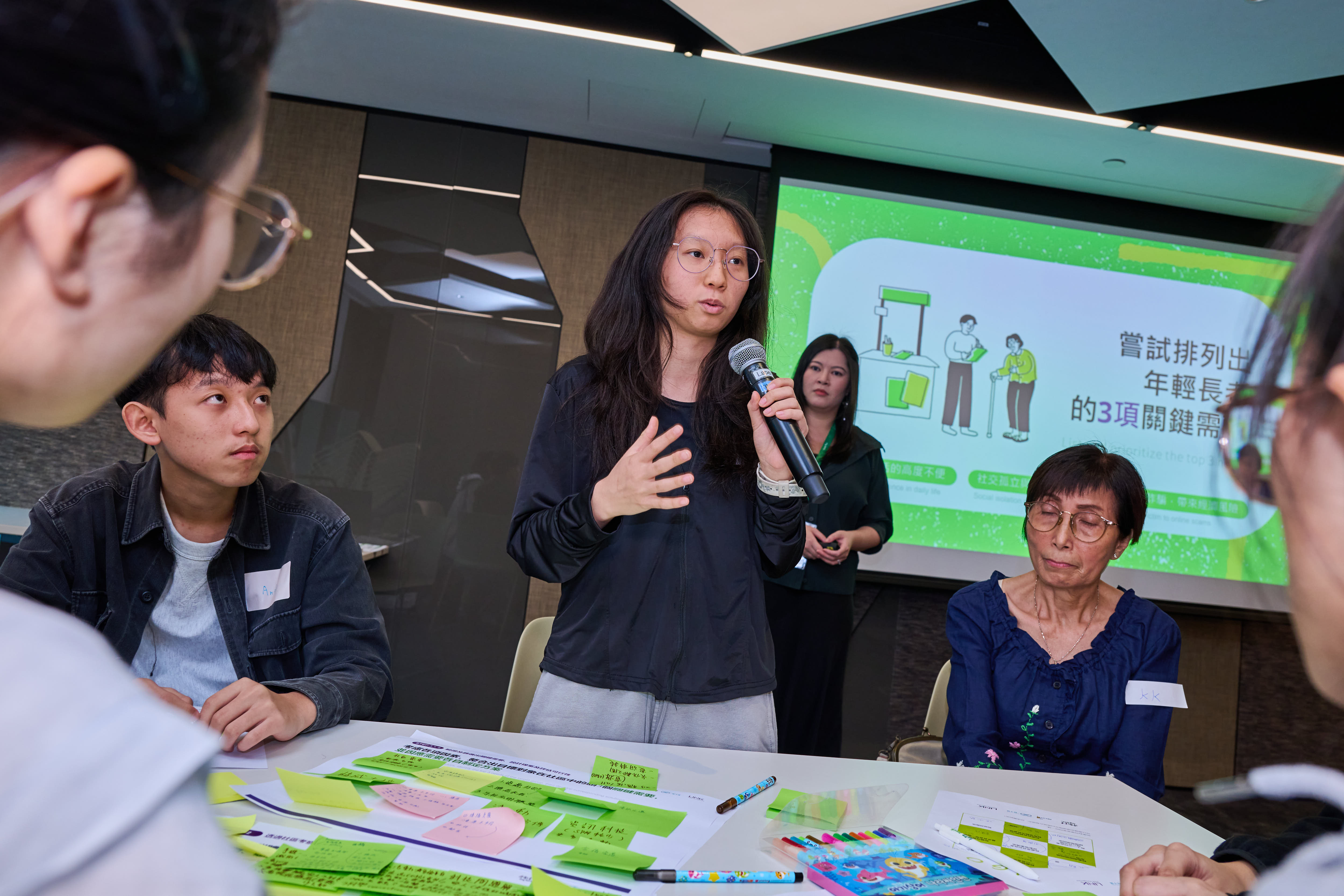
Tse Sum-yee, a Form 4 student from Lai King Catholic Secondary School who explored the “environment” theme, sees community malls not merely as shopping centres, but as spaces where residents can gather and connect.
She would like to see more activities that encourage shared participation. That same spirit resonates with her personally. Having previously volunteered with people who lost their sight after birth, Sum-yee has long been driven by a desire to serve. She says this programme helped her “be more specific, do more, and think carefully about the details to craft solutions that could actually work.”
As the July interview approaches, each student is bringing their own unique flair to their proposal. Alex plans to observe closely and put forward a compelling proposal; Kay hopes to win over the panel through creativity; Sum-yee believes her community service experience will serve her well; and Francol intends to present his ideas with energy and flair. Francol captured the collective sentiment when he said, “I’m truly grateful to Link for creating this platform, bringing us to learn and grow alongside each other.”
Link Secondary Student Scholarship is more than a reward for past achievement. It is a bridge to the future, empowering secondary students to develop empathy and the confidence to act by learning to understand others, communicate effectively and engage meaningfully with the communities around them.